Welcome to Journal of Agriculture,

Journal of Agriculture ›› 2026, Vol. 16 ›› Issue (1): 83-89.doi: 10.11923/j.issn.2095-4050.cjas2024-0045

Previous Articles     Next Articles

Analysis of Meteorological Affecting Factors and Construction of Forecasting Model for Best Viewing Period of Apricot Flowers in Hami Oasis

LIU Ying(), WANG Jun, SHI Kan, YANG Yanling, PAN Cunliang, ZHANG Jifang()   

  1. Hami Meteorological Bureau, Hami, Xinjiang 839000
  • Received:2024-05-15 Revised:2025-09-16 Online:2026-01-15 Published:2026-01-15

Abstract:

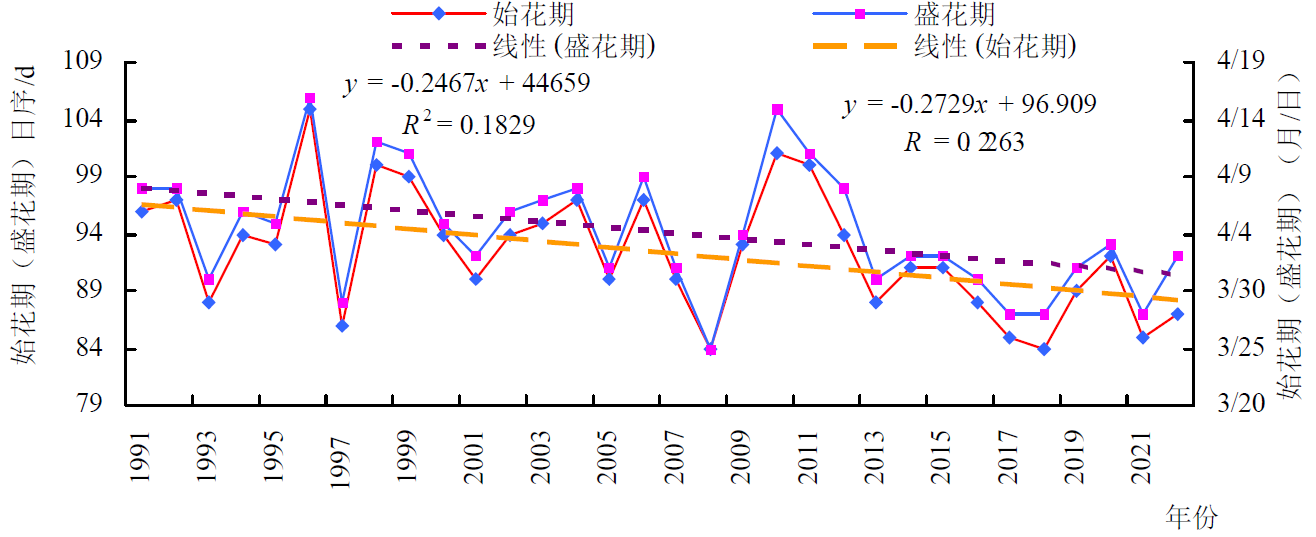
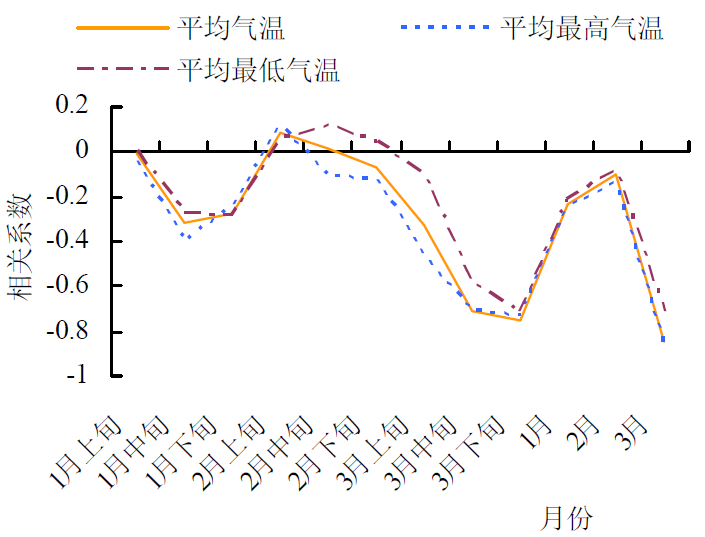
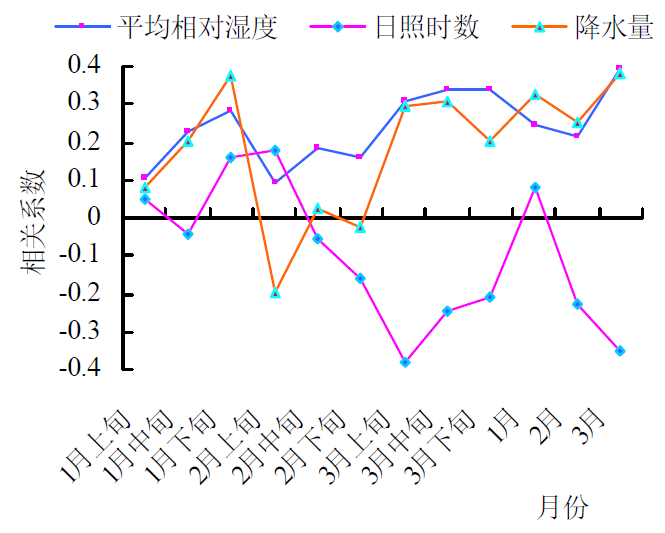
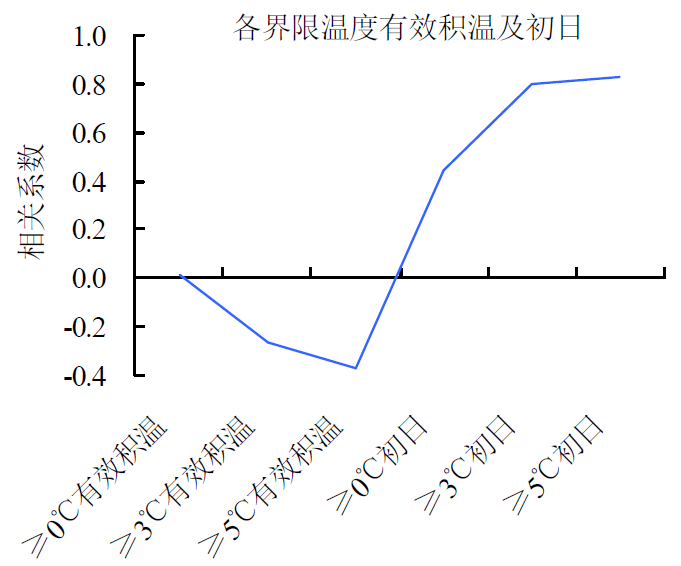
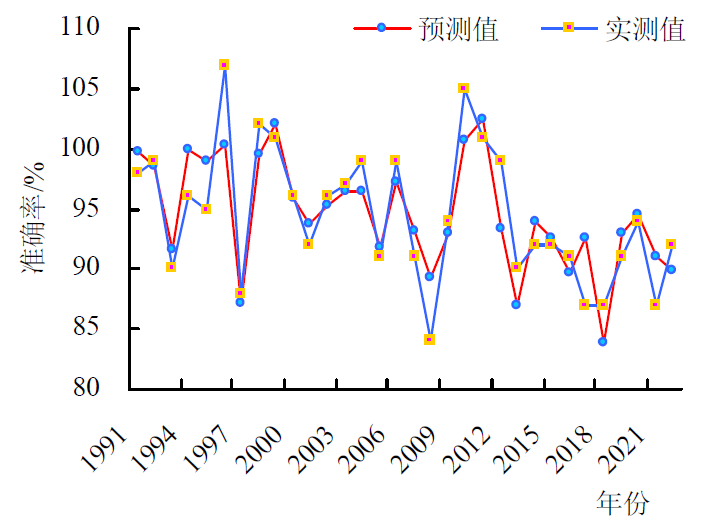
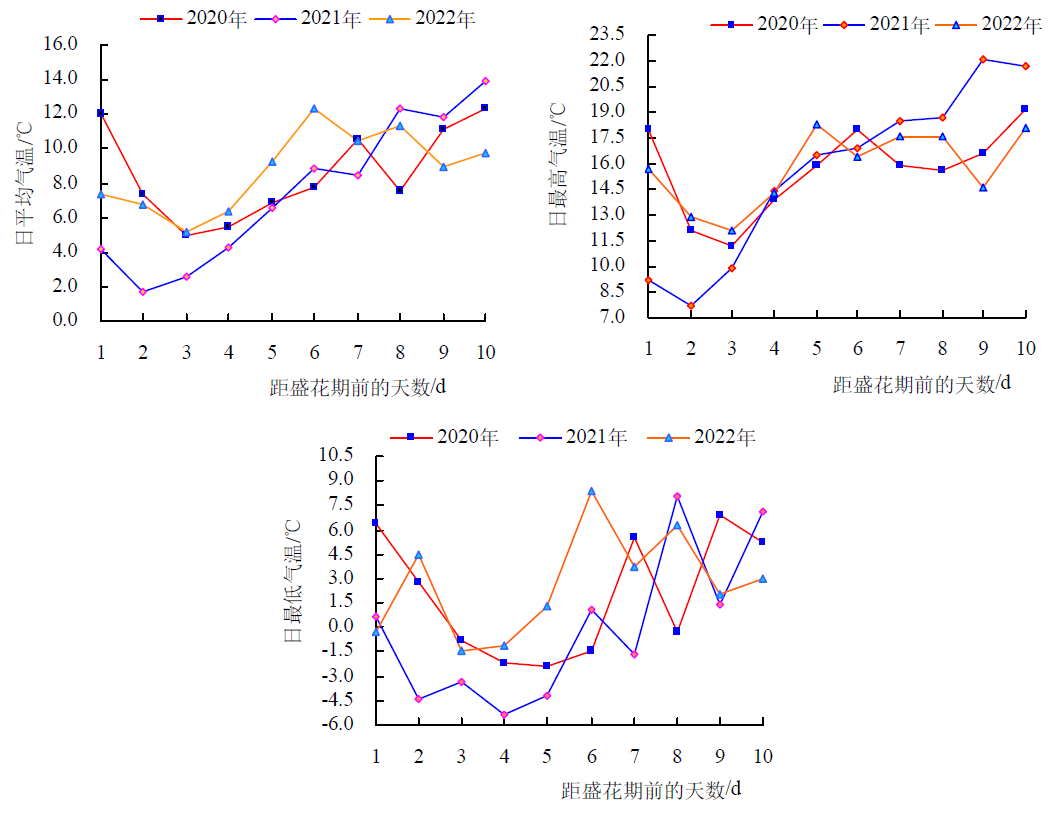
To improve the accuracy of forecasts of the full-bloom period of apricot blossoms in the Hami Oasis, which is the core of the best viewing period, and to provide a scientific basis for tourism management and visitor planning, we used 32-year apricot phenological records (1991-2022) together with concurrent surface meteorological observations. We analyzed the interannual variation in flowering dates, identified key meteorological drivers, and constructed and tested a forecasting model using principal component analysis. The results show that: (1) phenological characteristics: the mean first-flowering day-of-year (DOY) of apricot blossoms in the Hami Oasis is 92.4, corresponding to 2-3 April in common years and 1-2 April in leap years, with a range of 21 days between the earliest and latest first-flowering dates. The mean full-bloom DOY is 94.5, corresponding to 4-5 April in common years and 3-4 April in leap years, with a range of 22 days between the earliest and latest full-bloom dates. Both first-flowering and full-bloom dates exhibit a decadal advancing trend, with climatic tendency rates of -2.73 d per 10 years (r=-0.476, P<0.05) and -2.47 d per 10 years (r =-0.421, P<0.05), respectively. The temporal distribution of early versus late full-bloom dates shows a clear decadal pattern, with more early years occurring in the 21st century and more late years concentrating in the 1990s. (2) Meteorological controls: meteorological factors exert a significant influence on the optimal viewing period of apricot blossoms. The mean maximum air temperature in mid-January and early March; the mean, mean maximum and mean minimum air temperatures in mid-to-late March and for March as a whole; the mean ground temperature in mid-to-late March and for March as a whole; as well as sunshine duration and ≥5℃ effective accumulated temperature in early March all show significant or highly significant negative correlations with the full-bloom date. In other words, higher values of these variables are associated with earlier full bloom. In contrast, mean relative humidity in March; precipitation in late January and in March; and the onset dates of ≥0℃, ≥3℃ and ≥5℃ temperatures exhibit significant or highly significant positive correlations with the full-bloom date, such that higher values or later onset dates correspond to later full bloom. (3) Model performance: based on 29 years of observations from 1991 to 2019, we developed a principal component analysis forecasting model (Y=94.828-4.634x, R2=0.680). The model was validated using data of 2020-2022, yielding satisfactory performance: the forecast accuracy for full-bloom dates within 0-2 days of the observed dates reached 62.07%, and the accuracy for a 3-day difference was 10.34%. This model can provide technical support for meteorological services targeting the optimal viewing period of apricot blossoms in the Hami Oasis.

Key words: apricot flowers in Hami Oasis, blooming period, affecting factors, forecasting model