欢迎访问《农学学报》,

农学学报 ›› 2026, Vol. 16 ›› Issue (4): 36-45.doi: 10.11923/j.issn.2095-4050.cjas2025-0018

• 土壤肥料 资源环境 生态 • 上一篇    下一篇

甘肃渭河上游旱作区麦田土壤水分变化特征及对产量的影响

姚小英1(), 张蓓1, 王劲松2, 王莺2, 李瞳1   

  1. 1 天水市气象局, 甘肃天水 741000
    2 中国气象局兰州干旱气象研究所/甘肃省干旱气候变化与减灾重点实验室/中国气象局干旱气候变化与减灾重点开放实验室, 兰州 730020
  • 收稿日期:2025-01-17 修回日期:2025-05-29 出版日期:2026-04-15 发布日期:2026-04-15
  • 作者简介:

    姚小英,女,1968年出生,甘肃天水人,正高级工程师,硕士,研究方向:气象业务及应用气象试验研究。通信地址:741000 甘肃省天水市秦州区岷山路64号 天水市气象局,Tel:0938-8384166,E-mail:

  • 基金资助:
    陇原青年创新创业人才项目“气候变化和人类活动影响下的黄河流域甘肃段干旱灾害动态风险评价”(2024QNGR33); 甘肃省科技重大专项计划“气候变化背景下甘肃精细化农业气候资源和农业气象灾害风险区划及预警研制”(25ZDFA011); 甘肃省气象局人才专项“天水市气候变化特征及其对作物生育期和产量的影响评估”(2425rczx-D-QNYXRC-06)

Variation Characteristics of Soil Moisture in Dry Farming Area in Upper Reaches of Weihe River in Gansu and Its Influence on Yield of Winter Wheat

YAO Xiaoying1(), ZHANG Bei1, WANG Jinsong2, WANG Ying2, LI Tong1   

  1. 1 Tianshui Meteorological Bureau, Tianshui, Gansu 741000
    2 Lanzhou Institute of Arid Meteorology, China Meteorological Administration/Key Laboratory of Arid Climate Change and Reducing Disaster of Gansu Province/Key Open Laboratory of Arid Climate Change and Reducing Disaster, Lanzhou 730020
  • Received:2025-01-17 Revised:2025-05-29 Online:2026-04-15 Published:2026-04-15

摘要:

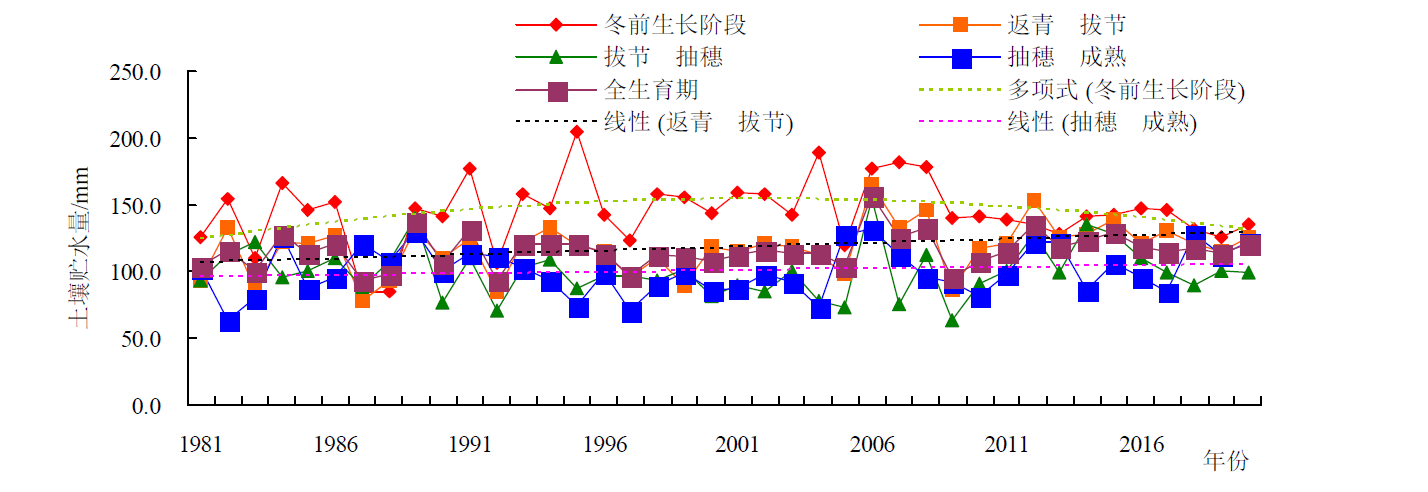
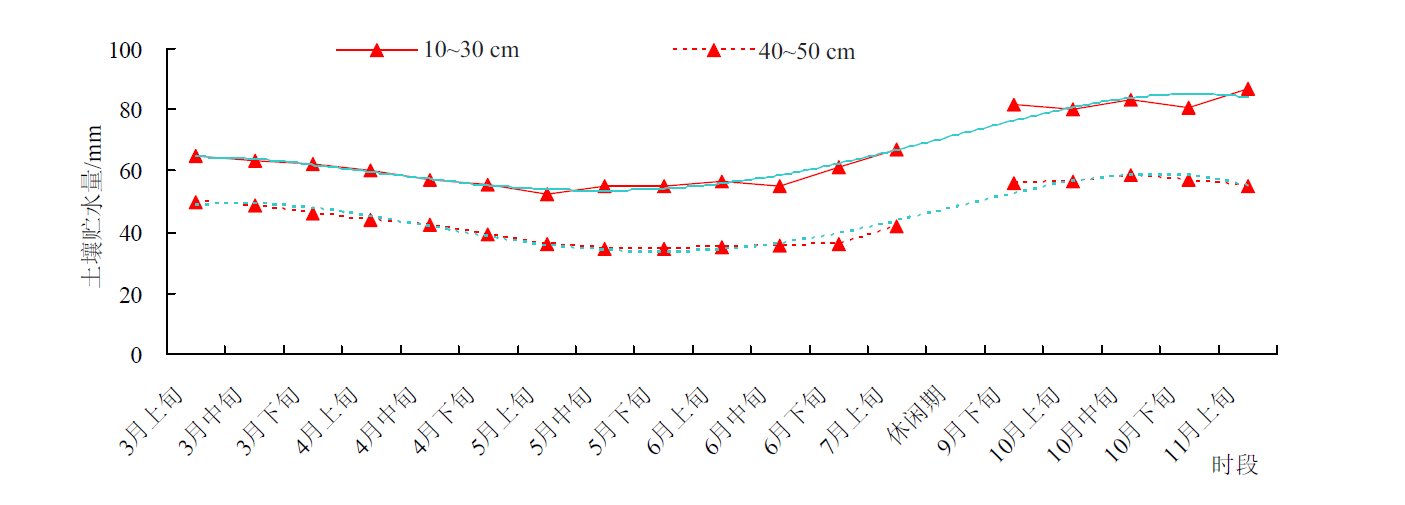
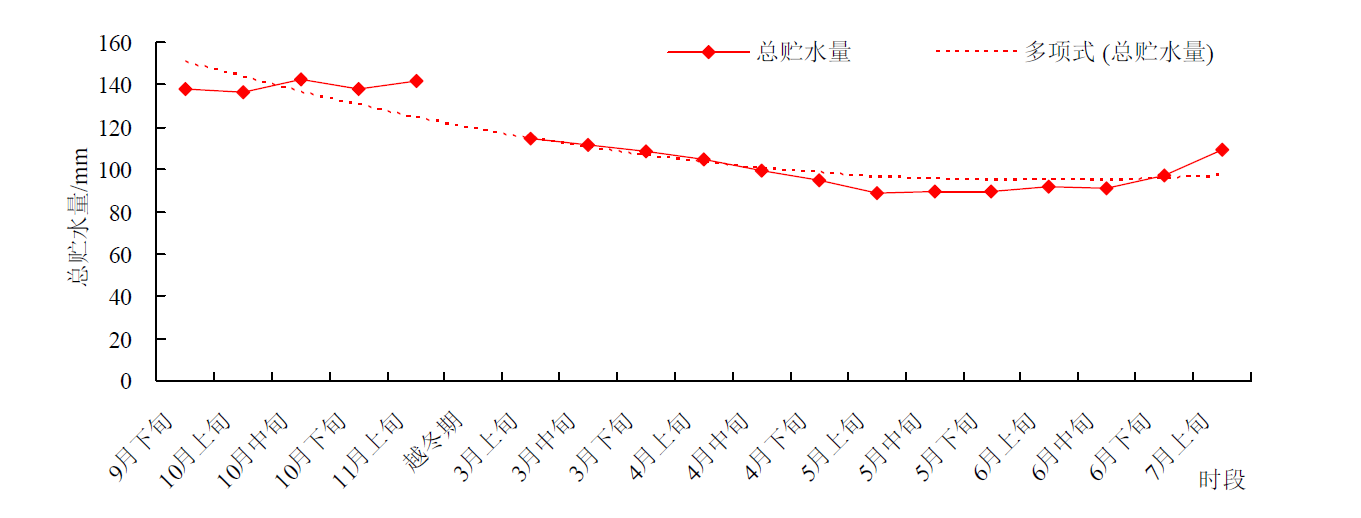
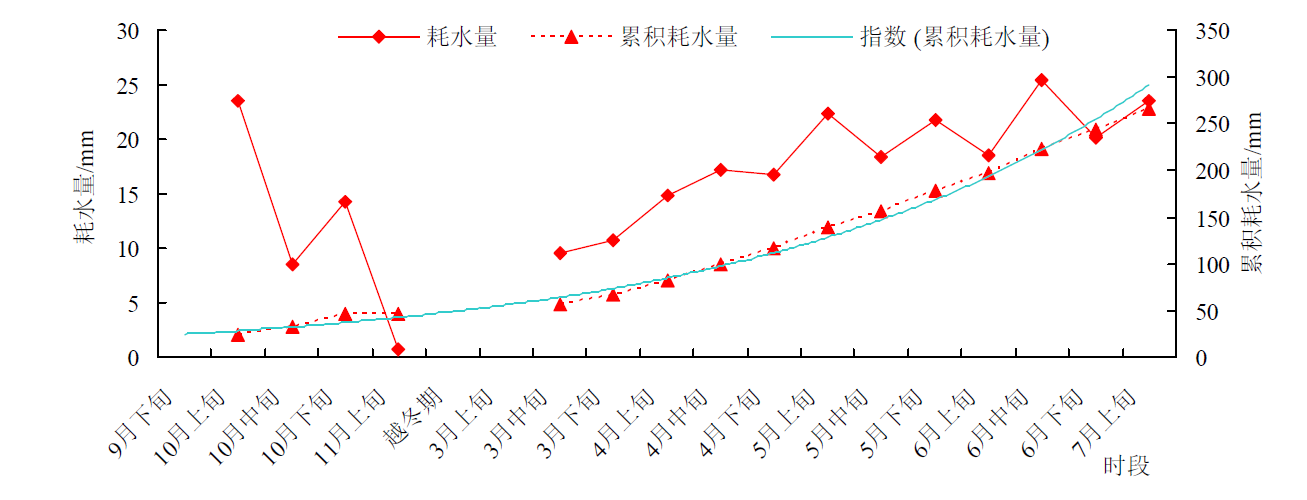
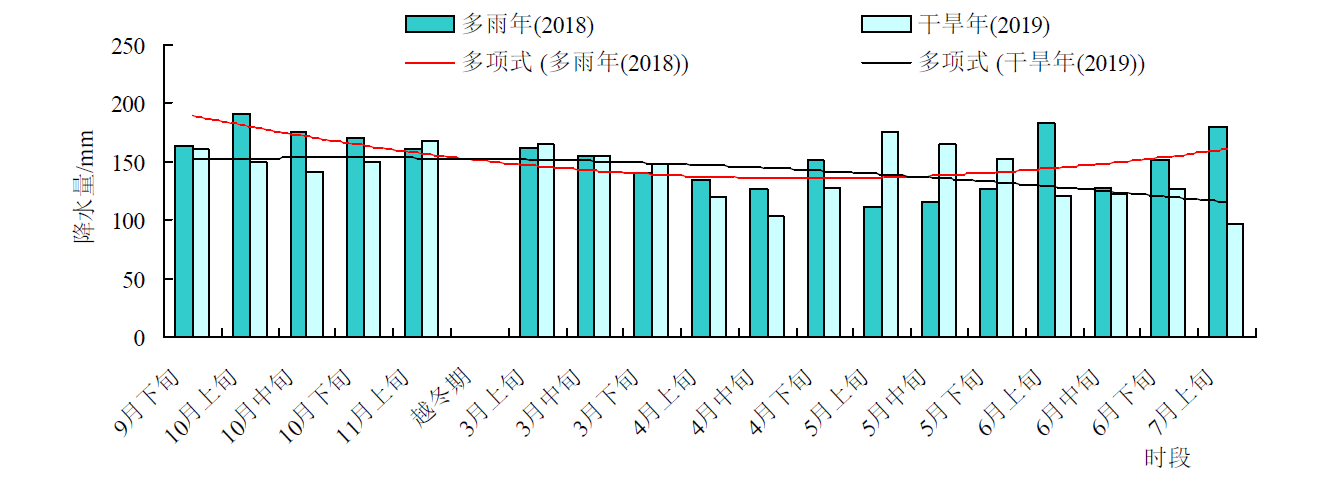
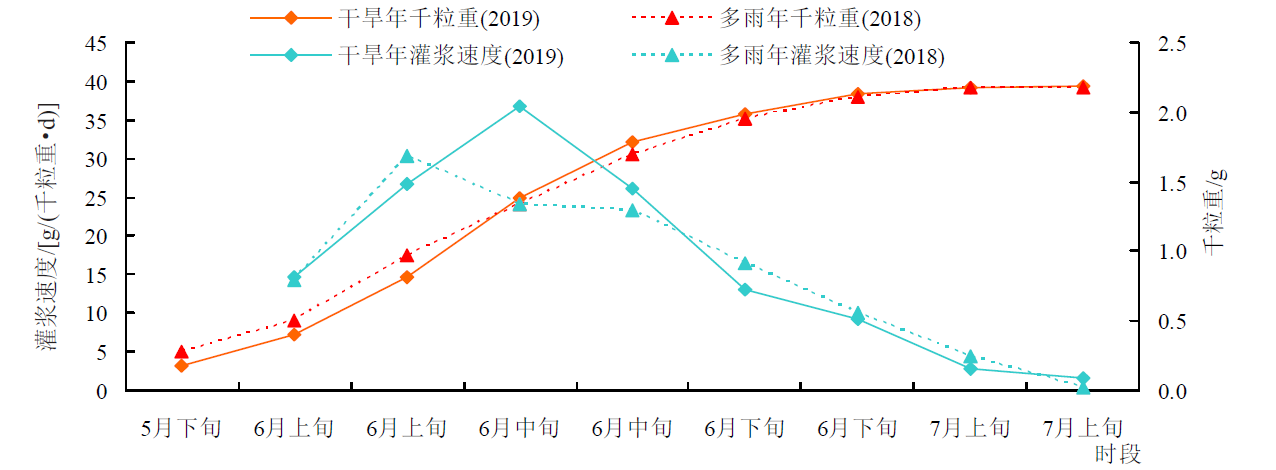
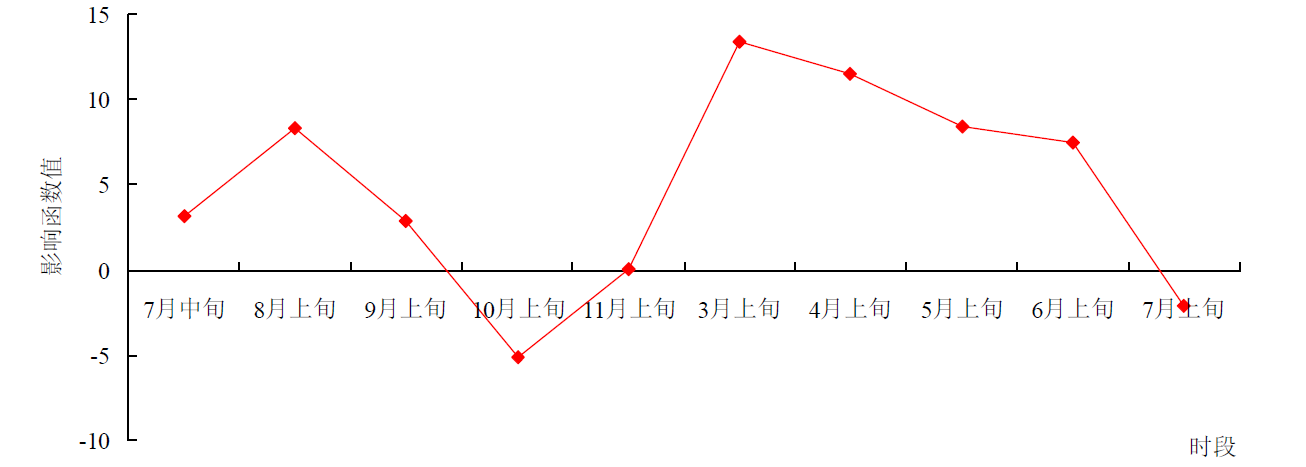
甘肃渭河上游旱作区属于半干旱半湿润气候过渡区,土壤水分是影响该地区冬小麦生长的关键因素。探讨土壤水分对冬小麦产量的影响,对保障旱作区粮食安全生产具有重要的现实意义。本研究运用典型代表站天水农业气象试验站1981—2020年冬小麦试验田0~50 cm土层土壤湿度及产量观测资料,采用统计学方法,对研究期内土壤水分变化规律及其对产量的影响进行了计算分析。结果表明:1981—2020年甘肃渭河上游旱作区冬小麦全生育期土壤平均贮水量变化趋势不显著,贮水量最大时期在冬前生长阶段,最小时段在拔节期至抽穗期;冬前生长阶段2010—2020年贮水量呈明显减少趋势,抽穗期至成熟期呈增多趋势;土层内各层次土壤含水量的变化随时间呈正弦波变化趋势,耕作层土壤含水量最低值出现在5月上旬,较深层为5月中旬;6月中旬是冬小麦全生育期土壤贮水量最低且累积耗散量增加最多的时段;多雨年冬小麦千粒重和灌浆速度总体大于和快于干旱年;土壤贮水量对产量影响最显著的2个正效应时段为7月中旬—9月上旬和3月上旬—6月中旬,6月下旬—7月上旬为负效应时段,总体影响时段高海拔种植区较低海拔区延后10 d左右;5月下旬至6月中旬即冬小麦开花灌浆期受水分胁迫影响最大。

关键词: 甘肃渭河上游旱作区, 冬小麦, 土壤水分, 变化特征, 产量, 影响

Abstract:

The dry farming area in the upper reaches of Weihe River in Gansu belongs to the semi-arid and semi-humid climate transition region. Soil moisture is the major factor affecting the growth of winter wheat in this region. Exploring the effect of soil moisture on the yield of winter wheat has great practical significance to ensure the food security production in dry farming areas. Based on the observation data of 0-50 cm soil moisture and yield of winter wheat experimental field from 1981 to 2020 in Tianshui Agrometeorological Experimental Station, which was a typical representative station, the variations of soil water and its effect on yield in 1981-2020 were calculated and analyzed by statistical method. The results showed that the variation trend of average soil water storage in 1981-2020 was not significant during the whole growth period of winter wheat in dry farming area in the upper reaches of Weihe River in Gansu. The period of maximum water storage was in the growth stage before winter, and the period of minimum water storage was from jointing stage to heading stage. The water storage showed a significant decreasing trend in 2010-2020 in the growth stage before winter of winter wheat, and it showed an increasing trend during the heading stage to maturity stage. The change of soil water content in each soil layer showed a sine wave trend with time, while the lowest soil water content in the plough layer was in early-May, and that in the deeper layer was in mid-May. The mid-June was the period with the lowest soil water storage during the whole growth period of winter wheat, and the accumulative dissipation was increasing fastest in this period. The thousand-grain weight and grouting speed of winter wheat in rainy years were generally higher and faster than those in dry years. Mid-July to early-September and early-Mar to mid-June were two most significant positive effect periods of soil water storage on yield, while the negative effect period was from late-June to early-July. The influence period of high altitude planting area is about 10 days later than that of low altitude area. The flowering and filling stage of winter wheat, which is late-May to mid-June, is the most affected period by water stress.

Key words: dry farming area in the upper reaches of Weihe River in Gansu, winter wheat, soil moisture, variation characteristics, yield, influence