欢迎访问《农学学报》,

农学学报 ›› 2026, Vol. 16 ›› Issue (3): 40-50.doi: 10.11923/j.issn.2095-4050.cjas2024-0225
李效珍1( ), 李睿2, 李子龙1, 李小强1, 王嘉媛1, 梁丽珍1
收稿日期:2024-12-24
修回日期:2025-05-26
出版日期:2026-03-20
发布日期:2026-03-19
通讯作者:
作者简介:李效珍,女,1967年出生,正研级高级工程师,学士,本科,主要从事农业气象、应用气象方面的研究。通信地址:037010 大同市经开区思贤街79号 市气象局,E-mail:410323554@qq.com。
基金资助:
LI Xiaozhen1(), LI Rui2, LI Zilong1, LI Xiaoqiang1, WANG Jiayuan1, LIANG Lizhen1
Received:2024-12-24
Revised:2025-05-26
Online:2026-03-20
Published:2026-03-19
摘要:
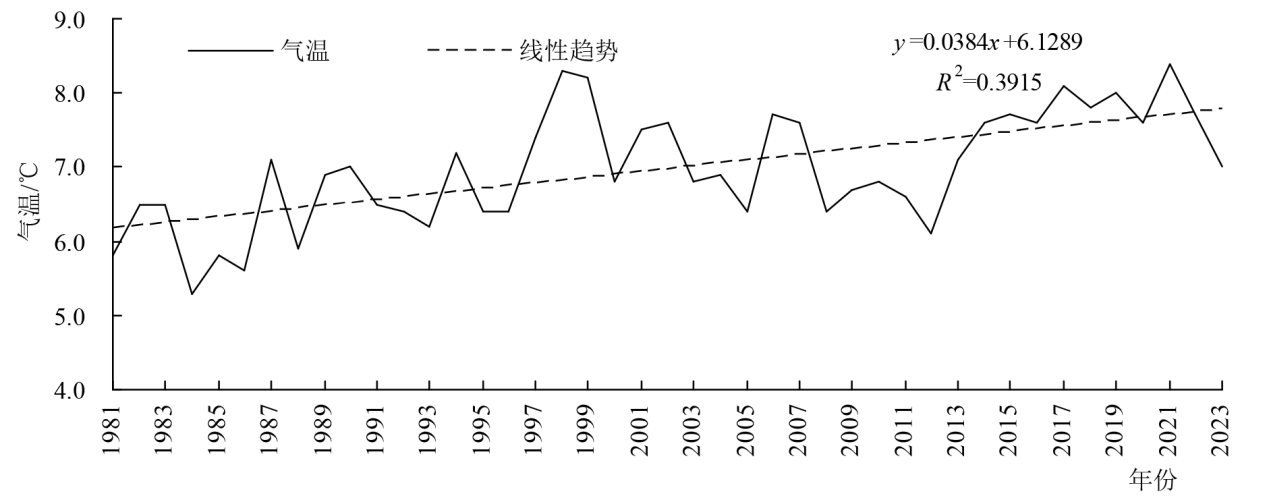
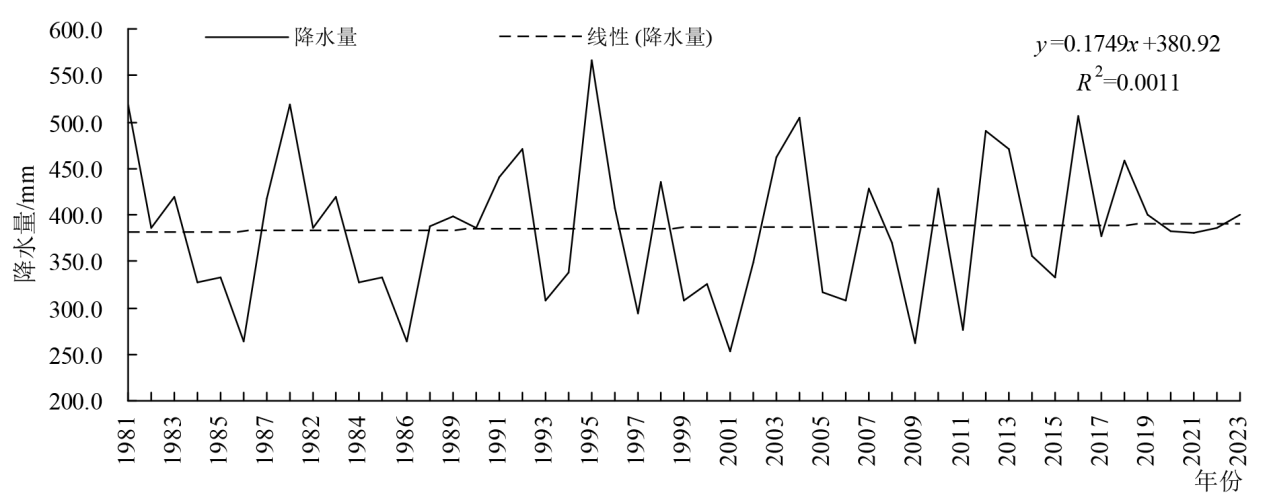
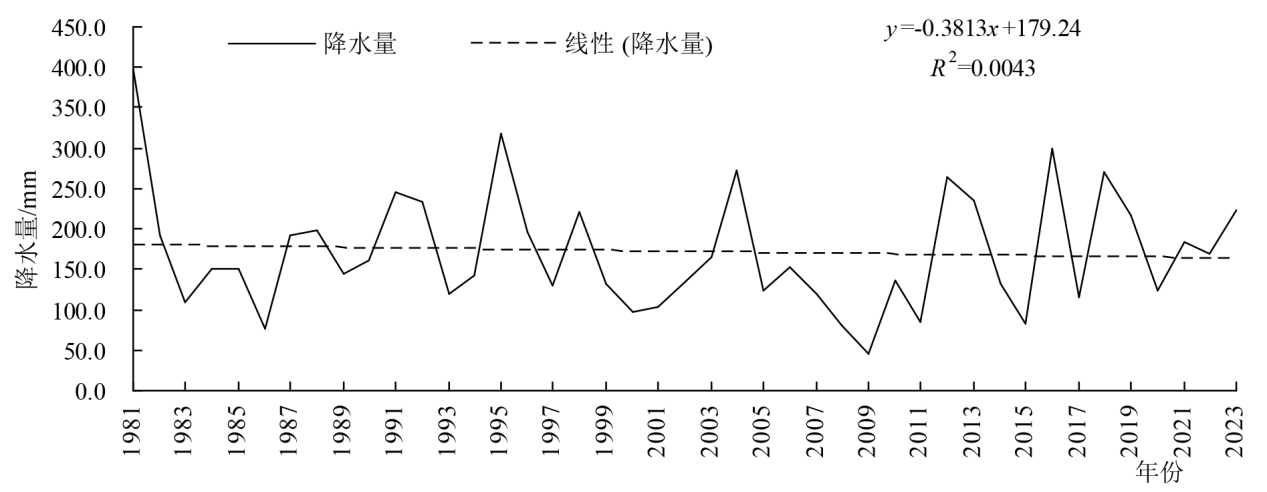
旨在明确山西省大同市黄花菜最优灌溉方式,为当地黄花菜种植及灌溉管理提供参考。在山西省大同市黄花菜主产区——云州区选取不同灌溉方式下的4种黄花菜地段,采取地理选点和不同灌溉方式选点相结合的方法,所选地段黄花菜苗龄在5年以上,其他田间管理方法相同,每次所选样株所处的发育期一致,定点定时取样进行测定,对比分析滴灌、喷灌、普通水浇地、旱地黄花菜生长指标、物质积累和产量结构的差异。利用1981—2023年气象资料分析了黄花菜主产区气温、降水变化特征,黄花菜生长季(出苗至花期末)气温、降水及需水量、水分亏缺变化特征。结果发现不同灌溉方式黄花菜生长指标、物质积累和产量结构有差异,其中滴灌灌溉方式下生长最快、物质积累最多,产量最高、灌溉贡献率最大;黄花菜主产区气温升高、生长季降水、10 mm以上有效降水均呈减少趋势,使得黄花菜生长季灌溉次数增多。综合分析表明,黄花菜生长季降水不能满足生长需求,降水正常年份需灌溉3次,干旱年份需灌溉6~7次,重旱年需灌溉10次或以上。滴灌是山西大同地区黄花菜生产最优灌溉方式,经济效益最好。
李效珍, 李睿, 李子龙, 李小强, 王嘉媛, 梁丽珍. 不同灌溉方式下黄花菜生长发育与产量的对比分析[J]. 农学学报, 2026, 16(3): 40-50.
LI Xiaozhen, LI Rui, LI Zilong, LI Xiaoqiang, WANG Jiayuan, LIANG Lizhen. A Comparative Analysis of Growth, Development and Yield of Daylily Under Different Irrigation Methods[J]. Journal of Agriculture, 2026, 16(3): 40-50.
| 测点名称 | 经度 | 纬度 | 海拔/m | 所属乡镇 | 地段属性 |
|---|---|---|---|---|---|
| 唐家堡(喷灌) | 113º30´53″ | 40º05´59″ | 1144 | 西坪镇 | 喷灌 |
| 下高庄(普通水浇地) | 113º34´33″ | 40º04´43″ | 1079 | 西坪镇 | 水浇地 |
| 徐家堡(旱地) | 113º41´11″ | 39º55´01″ | 1107 | 峰峪乡 | 旱地 |
| 吉家庄(滴灌) | 113º27´24″ | 39º51´02″ | 975 | 吉家庄乡 | 滴灌 |
| 测点名称 | 经度 | 纬度 | 海拔/m | 所属乡镇 | 地段属性 |
|---|---|---|---|---|---|
| 唐家堡(喷灌) | 113º30´53″ | 40º05´59″ | 1144 | 西坪镇 | 喷灌 |
| 下高庄(普通水浇地) | 113º34´33″ | 40º04´43″ | 1079 | 西坪镇 | 水浇地 |
| 徐家堡(旱地) | 113º41´11″ | 39º55´01″ | 1107 | 峰峪乡 | 旱地 |
| 吉家庄(滴灌) | 113º27´24″ | 39º51´02″ | 975 | 吉家庄乡 | 滴灌 |
| 实验地段灌溉量/hm2 | 4月25日 | 5月25日 | 6月15日 | 6月30日 |
|---|---|---|---|---|
| 滴灌地段灌溉量/m3 | 300 | 300 | 300 | 300 |
| 喷灌地段灌溉量/m3 | 450 | 450 | 450 | 450 |
| 普通水浇地灌溉量/m3 | 450 | 450 | 450 | 450 |
| 灌溉期间降水量/mm | 2.4 | 6.5 | 35.9 | 27.6 |
| ≥10 mm降水日数/d | 无 | 无 | 1 | 1 |
| 实验地段灌溉量/hm2 | 4月25日 | 5月25日 | 6月15日 | 6月30日 |
|---|---|---|---|---|
| 滴灌地段灌溉量/m3 | 300 | 300 | 300 | 300 |
| 喷灌地段灌溉量/m3 | 450 | 450 | 450 | 450 |
| 普通水浇地灌溉量/m3 | 450 | 450 | 450 | 450 |
| 灌溉期间降水量/mm | 2.4 | 6.5 | 35.9 | 27.6 |
| ≥10 mm降水日数/d | 无 | 无 | 1 | 1 |


| 项目 | 唐家堡 | 下高庄 | 吉家庄 | 徐家堡 |
|---|---|---|---|---|
| 单蕾花长/cm | 11.8 | 11.4 | 11.5 | 13.2 |
| 单蕾花长(方差) | 0.559 | 0.187 | 0.442 | 0.489 |
| 单蕾花重/g | 3.8 | 3.8 | 3.5 | 4.2 |
| 单蕾花重(方差) | 0.077 | 0.452 | 0.153 | 0.281 |
| 理论产量/(g/m2) | 1390.8 | 1113.4 | 1575.3 | 995.4 |
| 项目 | 唐家堡 | 下高庄 | 吉家庄 | 徐家堡 |
|---|---|---|---|---|
| 单蕾花长/cm | 11.8 | 11.4 | 11.5 | 13.2 |
| 单蕾花长(方差) | 0.559 | 0.187 | 0.442 | 0.489 |
| 单蕾花重/g | 3.8 | 3.8 | 3.5 | 4.2 |
| 单蕾花重(方差) | 0.077 | 0.452 | 0.153 | 0.281 |
| 理论产量/(g/m2) | 1390.8 | 1113.4 | 1575.3 | 995.4 |
| [1] |
张振, 喻景权, 于贤昌, 等. 蔬菜栽培学[M]. 北京: 中国农业大学出版社,2008:487-491.
|
| [2] |
赵晓玲. 庆阳黄花菜优势产区区划及配套栽培技术研究[D]. 杨凌: 西北农林科技大学, 2005.
|
| [3] |
范学钧. 黄花菜产业开发[M]. 兰州: 甘肃科学技术出版社, 2006.
|
| [4] |
段金省, 李宗䶮, 周忠文. 保护地栽培对黄花菜生长发育的影响[J]. 中国农业气象, 2008(2):184-187.
|
| [5] |
闫晓玲, 胡建忠, 殷丽强. 黄土高塬沟壑区黄花菜高效栽培模式[J]. 中国水土保持, 2017(11):46-49.
|
| [6] |
武朝宝, 叶澜涛, 任罡, 等. 山西杂粮及经济作物需水量与灌溉制度[M]. 北京: 中国农业大学水利水电出版社, 2018.
|
| [7] |
郭海英, 赵建萍, 张谋草, 等. 庆阳地区黄花菜越冬覆盖水热效应研究[J]. 干旱地区农业研究, 2006, 24(4):99-103.
|
| [8] |
邓振镛, 张强, 王强, 等. 高原地区农作物水热指标与特点的研究进展[J]. 高原冻土, 2012, 34(1):177-185.
|
| [9] |
高雪. 气候变化与农户适应性对水稻灌溉效率的影响-以湖北省水稻种植户为例[J]. 节水灌溉, 2020(12):46-56.
|
| [10] |
郭振宇, 杨丹妮, 杨晓琳, 等. 不同灌溉方式对大豆耗水和水分利用效率的影响[J]. 灌溉排水学报, 2023, 42(3):14-24.
|
| [11] |
秦子元, 张忠学, 孙迪, 等. 水氮耦合对黑土稻作产量与氮素吸收利用的影响[J]. 农业机械学报, 2021, 52(12):324-335,357.
|
| [12] |
谷晓博, 李援农, 黄鹏, 等. 种植方式和施氮量对冬油菜产量与水氮利用效率的影响[J]. 农业工程学报, 2018, 34(10):113-123.
|
| [13] |
曹巍, 刘宏权, 陈任强, 等. 膜下滴灌对玉米生长及土壤影响的研究进展[J]. 节水灌溉, 2023(4):39-51.
doi: 10.12396/jsgg.2022268 |
| [14] |
杨晨昱, 彭雪, 李阳, 等. 我国黄花菜发展现状及其加工产业存在问题分析[J]. 中国蔬菜, 2021, 12(12):74-78.
|
| [15] |
徐杰, 周培禄, 王璞, 等. 水肥管理对东北不同密度春玉米产量及水氮利用效率的影响[J]. 玉米科学, 2016, 24(1):142-147.
|
| [16] |
|
| [17] |
刘婷婷. 不同施肥灌溉方法的黄花菜效应分析[J]. 现代园艺, 2023(7):36-38.
|
| [18] |
马新春, 赵英. 黄花菜种植技术[J]. 农业与技术, 2016, 36(10):76.
|
| [19] |
郭建茂, 金淑媛, 郭彩云, 等. 基于WOFOST模型的许昌烟草不同水文年型的灌溉方案[J]. 节水灌溉, 2022(10):15-22.
doi: 10.12396/jsgg.2022044 |
| [20] |
朱津辉, 郭建茂, 毛留喜. 基于WOFOST模型的河北省保定市冬小麦最佳灌溉方案研究[J]. 气象, 2014, 40(11):1398-1407.
|
| [21] |
裴宏伟, 孙宏勇, 沈彦俊, 等. 不同灌溉处理下冬小麦水平衡与灌溉增产效率研究[J]. 中国生态农业学报, 2011, 19(5):1054-1059.
|
| [22] |
刘志远. 灌溉方式对小麦水分利用率和产量影响的研究[D]. 保定: 河北农业大学, 2022.
|
| [23] |
李良涛, 毛振强, 牛灵安. 基于作物生长模型的冬小麦灌溉方案研究[J]. 灌溉排水学报, 2010, 29(2):22-27.
|
| [24] |
李新乐, 侯向阳, 穆怀彬. 不同降水年型灌溉模式对苜蓿草产量及土壤水分动态的影响[J]. 中国草地学报, 2013, 35(5):46-52.
|
| [25] |
郭学良, 李卫军. 不同灌溉方式对紫花苜蓿产量及灌溉水分利用效率的影响[J]. 草地学报, 2014, 22(5):1086-1090.
doi: 10.11733/j.issn.1007-0435.2014.05.027 |
| [26] |
杨宁艳, 张峰举, 刘吉利, 等. 增温与灌溉对大豆水分利用效率与产量及产量构成因素的影响[J]. 江苏农业科学, 2024, 52(1):56-62.
|
| [27] |
杨凡, 刘园, 刘布春, 等. 基于Meta分析的调控灌溉对中国北方葡萄产量及灌溉水分利用效率的影响研究[J]. 灌溉排水学报, 2023, 42(6):1672-3317.
|
| [28] |
李新红. 全国农业灌溉需水量及区域特性研究[D]. 北京: 清华大学, 2005.
|
| [29] |
常清, 张宁, 李孟蔚, 等. 1980年以来晋北黄花菜气候适宜性评价[J]. 江西农业学报, 2023, 35(6):141-148.
|
| [30] |
韩志平. 大同黄花菜[M]. 北京: 地质出版社, 2018.
|
| [31] |
颉敏昌. 绿色食品A级黄花菜高效生产实用技术[M]. 兰州: 甘肃科学技术出版社, 2019.
|
| [32] |
王伯胜, 高翔. 黄花菜绿色栽培技术[M]. 北京: 中国农业大学出版社, 2018.
|
| [1] | 陈瑞英. 套种绿肥对桔柚产量品质及土壤肥力的影响[J]. 农学学报, 2026, 16(3): 28-32. |
| [2] | 杨洪涛, 杨燕林, 和加卫, 杨正松, 苏泽春, 余莹. 蓝莓杂交F1代主要农艺性状的相关及通径分析[J]. 农学学报, 2026, 16(3): 33-39. |
| [3] | 王映红, 李晓航, 李永珍, 马华平, 董昀. 种植密度和播期对强筋小麦‘新麦58’农艺性状及产量的影响[J]. 农学学报, 2026, 16(2): 1-8. |
| [4] | 葛礼姣, 仇亮, 程玉静, 王小秋, 翟彩娇, 王小龙. 株行距配置对‘百日子’萝卜主要农艺性状、产量及品质的影响[J]. 农学学报, 2026, 16(2): 16-22. |
| [5] | 李哲, 李广, 周晨莉, 张恒嘉. 膜下滴灌马铃薯调亏灌溉的研究进展[J]. 农学学报, 2026, 16(2): 54-58. |
| [6] | 朱晓翠, 李军, 胡波, 张晟宁, 郑健. 气象新质生产力助推奉化水蜜桃产业发展研究[J]. 农学学报, 2026, 16(2): 79-86. |
| [7] | 刘开基, 王瑞平, 刘建萍, 李亚贞, 熊文, 韩德鹏, 程业伟, 郑伟, 肖国滨. 三熟制油菜谷林飞套播开沟方式对油菜生育及产量的影响[J]. 农学学报, 2026, 16(2): 9-15. |
| [8] | 赵加涛, 郭勉艳, 刘猛道, 付正波. 刈割时期对大麦饲草产量和品质的影响[J]. 农学学报, 2026, 16(1): 1-6. |
| [9] | 崔雄飞, 王玉才, 吕翔, 王晓峰, 李雪芳, 雷慧敏, 郭辉. 水氮耦合对土壤硝态氮及黄芪生长的影响研究进展[J]. 农学学报, 2026, 16(1): 33-38. |
| [10] | 王秋京, 马国忠, 姜丽霞, 初征, 余兰, 闫平. 新气候态下夏季热量资源变化对寒地水稻生育期和产量的影响[J]. 农学学报, 2026, 16(1): 90-98. |
| [11] | 邱凯莉, 孟傲雪, 杨启睿, 耿赛男, 王宜伦. 新型尿素对高产夏玉米产量及氮肥效率的影响[J]. 农学学报, 2025, 15(9): 44-49. |
| [12] | 周忠文, 齐月, 刘英, 雷俊. 播期调整对黄土高原半干旱区春玉米产量和品质的影响[J]. 农学学报, 2025, 15(9): 6-13. |
| [13] | 王剑峰, 李玥. 施氮量对胡麻产量及千粒重影响的Meta分析[J]. 农学学报, 2025, 15(9): 71-79. |
| [14] | 武丹, 唐丽娜, 王静, 蒙元燕, 张小龙, 刘丽, 吴冬, 黄国嫣, 张秀英, 蔡荣靖, 许留兴. 气候因子对昭通苹果产量和品质的影响[J]. 农学学报, 2025, 15(9): 84-91. |
| [15] | 韩明明, 吕连杰, 李文倩, 张海军. 灌溉方式及肥料处理对冬小麦生长发育及产量的影响[J]. 农学学报, 2025, 15(8): 1-5. |
| 阅读次数 | ||||||
|
全文 |
|
|||||
|
摘要 |
|
|||||
